Cholecystitis is a condition where the gallbladder becomes inflamed. This problem can cause pain and other serious issues. Because cholecystitis can lead to complications, it is important to know its causes, symptoms, and treatment options. In this blog, you will learn about cholecystitis, how it is diagnosed, and ways to prevent it. Understanding these facts can help you take better care of your health.
What is Cholecystitis?
Cholecystitis means swelling or inflammation of the gallbladder. The gallbladder is a small organ under your liver. It stores bile, which helps your body digest fat. When the gallbladder gets inflamed, it can cause pain and discomfort. Sometimes, this condition can become severe and need quick medical care. Both acute and chronic cholecystitis can affect people of any age, but it is more common in adults.
Causes of Cholecystitis
There are several reasons why cholecystitis happens. Most often, it is caused by gallstones. These are small, hard pieces that block the flow of bile. However, other causes can also lead to gallbladder inflammation. Knowing the causes can help you understand your risk.
According to the CDC, gallstones are the leading cause of cholecystitis in most cases.
Common Symptoms
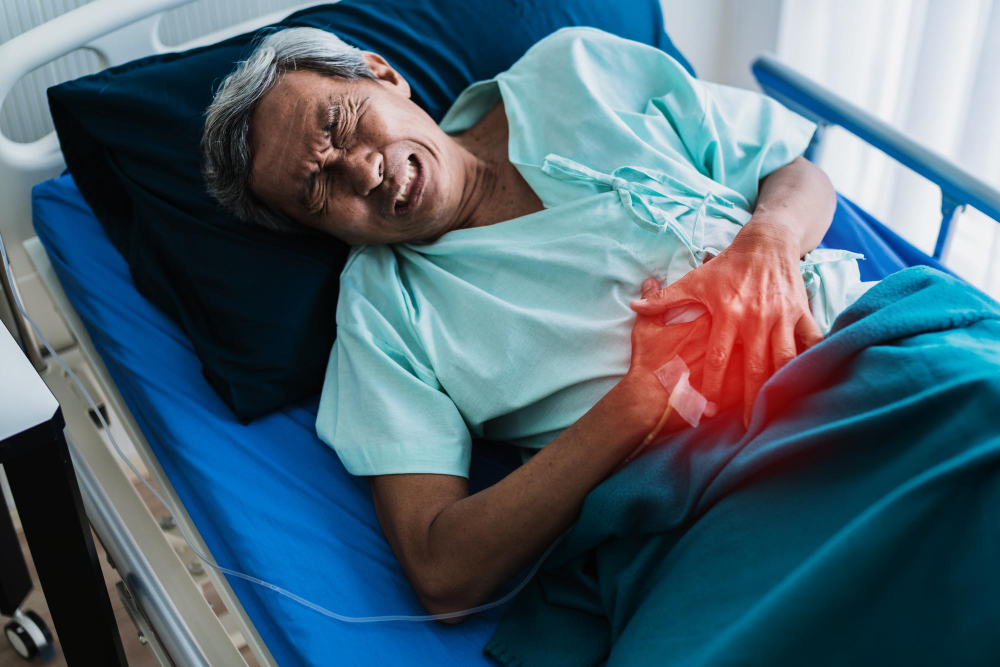
Cholecystitis can cause a range of symptoms. Early signs are important to notice. If you have any of these, you should seek medical help. Acute cholecystitis symptoms often appear suddenly and can be severe.
Sometimes, symptoms can be mild at first. But they may get worse over time if not treated.
How Cholecystitis is Diagnosed
Doctors use several methods to diagnose cholecystitis. Early diagnosis helps prevent complications. If you have symptoms, your doctor may start with a physical exam. Then, they may order tests to confirm the diagnosis.
According to the National Institutes of Health, ultrasound is the most common test for cholecystitis diagnosis.
Treatment Options
Treatment for cholecystitis depends on how severe the condition is. Early treatment can help prevent serious problems. Doctors may suggest different options based on your health and symptoms.
Gallbladder inflammation treatment is safe and effective when started early. The World Health Organization recommends surgery for most people with severe cholecystitis.
Prevention Tips
While you cannot always prevent cholecystitis, some steps may lower your risk. Healthy habits can protect your gallbladder and overall health. Try these cholecystitis prevention tips:
These steps can help reduce your risk of gallstones and gallbladder inflammation.
When to See a Doctor
If you have sudden or severe belly pain, you should see a doctor right away. Early care can prevent serious problems. Also, seek help if you have:
Quick treatment can lower your risk of complications. Do not wait if you feel very unwell.
Conclusion
Cholecystitis is a serious condition that needs prompt care. Knowing the causes, symptoms, and treatment options can help you stay healthy. If you think you may have cholecystitis, consult a healthcare professional for personalized advice.